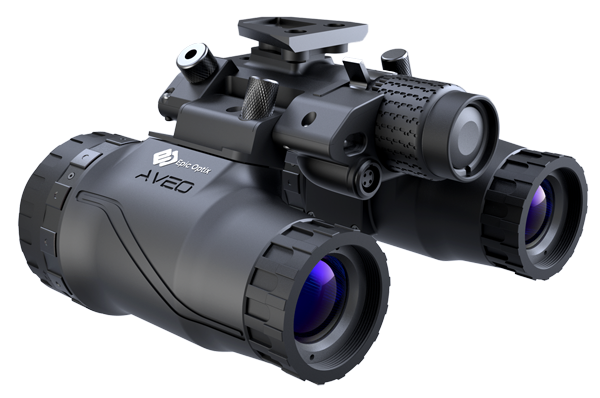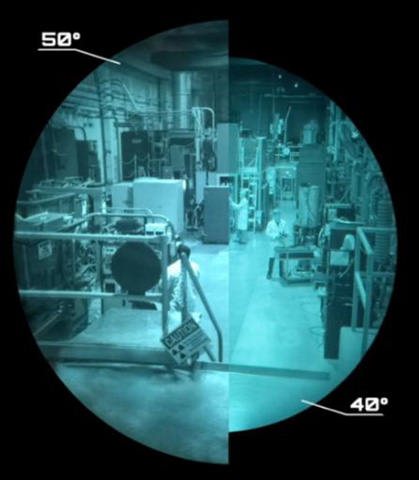
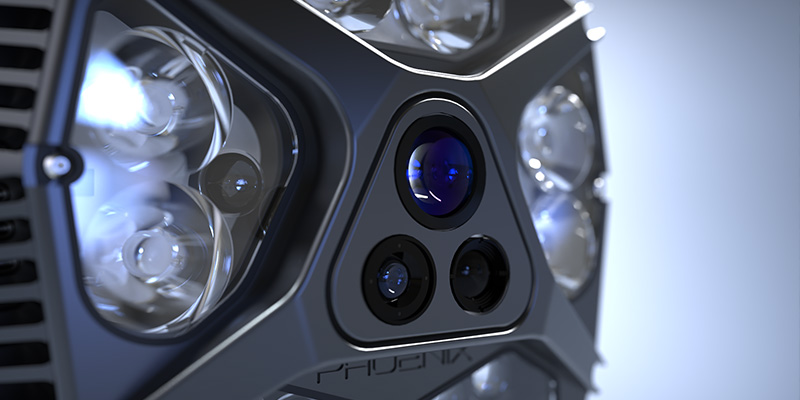
Across the full spectrum, visible day, SWIR, MWIR and LWIR thermal, in the resolutions and optics each mission needs.
Daylight, in full detail.
When the weather's clear and visibility's high, AveoDAY gives you the full picture with whatever optics you need.
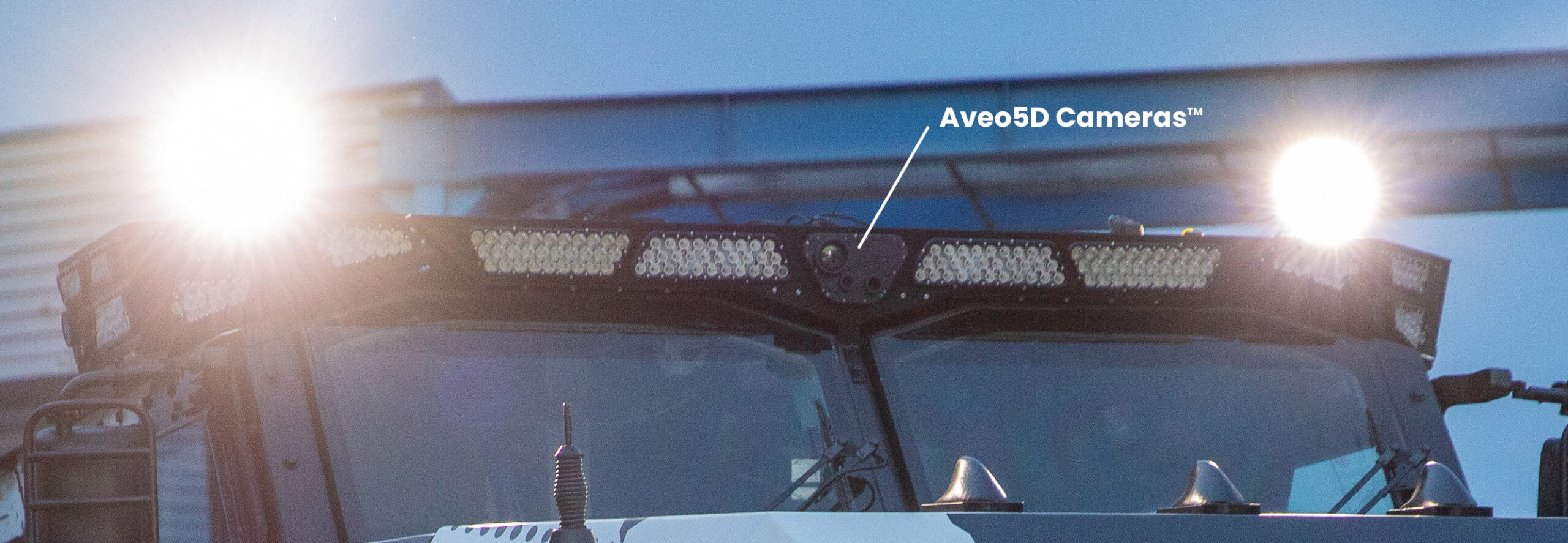
- Optics for the mission. Resolution varies by model, with telephoto and motorized-zoom lenses for magnification.
- Built into the wing. Some AveoDAY cameras fit inside aerodynamic, lighted wingtips.
- Color, even in low light. Aveo5D adds a low-light color camera, so you see the world in color, not monochrome.
- Free-standing or integrated. Standalone like every Aveo5D™ product, or built into Aveo lighting: Phoenix™, Genesis™, Nemesis™, the Sapphire family, Iguana Pods and the Aveo Pantheon™ family.
Through bad weather, day or night.
Aveo's SWIR cameras see in daylight, at night, and in poor weather. Paired with Aveo's proprietary IR illuminators, they add reflected IR light even in low-reflection conditions to produce a clear SWIR image, so helicopter pilots no longer have to compromise missions in IFR conditions.
- Resolution. Sensors from 640×512 up to 1280×1024.
- Optics. 9 mm to 900 mm, from normal to long range, with lenses matched to the mission.
- Milspec. Meets military environmental requirements.
Long-range thermal observation.
A cryogenically cooled mid-wave infrared system built for specialized, long-distance observation, on platforms with the power to operate and steer it. Cryogenic cooling delivers long-range thermal imaging and needs active stabilization to hold the picture, designed for demanding missions where the platform can supply the power to run and maneuver the camera. Meets military environmental requirements.
Thermal that sees through cover.
Low-cost thermal imaging for low-light environments. Aveo's LWIR cameras give early detection of living and non-living bodies against their background, even when obscured by weather or foliage. Pair them with analog or digital night vision, SWIR or day modules, and stream the video to any Aveo onboard display or remotely over Aveo's video network. Sensors run from 640×512 up to the world's first 1920×1080 thermal sensor, with lenses and magnifications from normal to long range. Meets military environmental requirements.